Gareth Harding
Gareth Harding
September 25, 2017

SKILL UP THIS AUTUMN
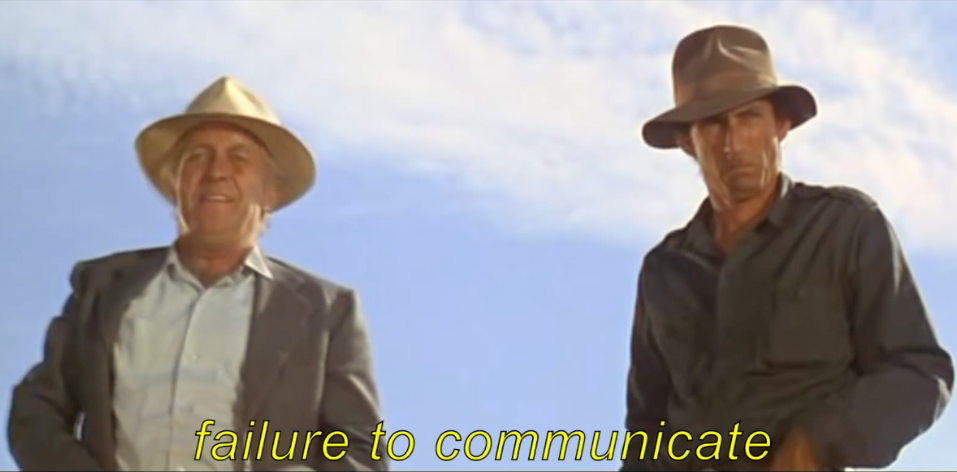
“What we have here is failure to communicate.” Remember that famous line from Cool Hand Luke? We think about it all the time at Clear Europe because so often we see organisations failing to communicate clearly and concisely. So this autumn we are offering 10 media and communication masterclasses that are open to everyone, affordably priced and taught by our experienced comms pros. We still have some places for our October courses, so book a place now:
October 5 How to Write Clearly
October 10 Effective Public Speaking
October 19 Mastering Media Interviews
October 25 Social Media Campaigning
Gareth Harding
September 19, 2017
Gareth Harding
July 17, 2017

Reading CVs and cover letters is like smoking cigarettes – one or two won’t harm you but constant exposure will.
Unfortunately, in my line of work – managing a small communication company and finding internships for American students in Brussels – I am exposed to more CVs than most would consider healthy.
This is not a dig at the quality of the candidates, who are often more skilled, more educated and more motivated than I am with their double masters, four to five languages and experience working in nine countries. It stems more from an honest desire to help talented people get the jobs they want without making basic mistakes. So here are 15 tips for writing a better CV, with apologies to all those anonymously quoted:
Gareth Harding
April 3, 2017

FIGHTING FAKE NEWS
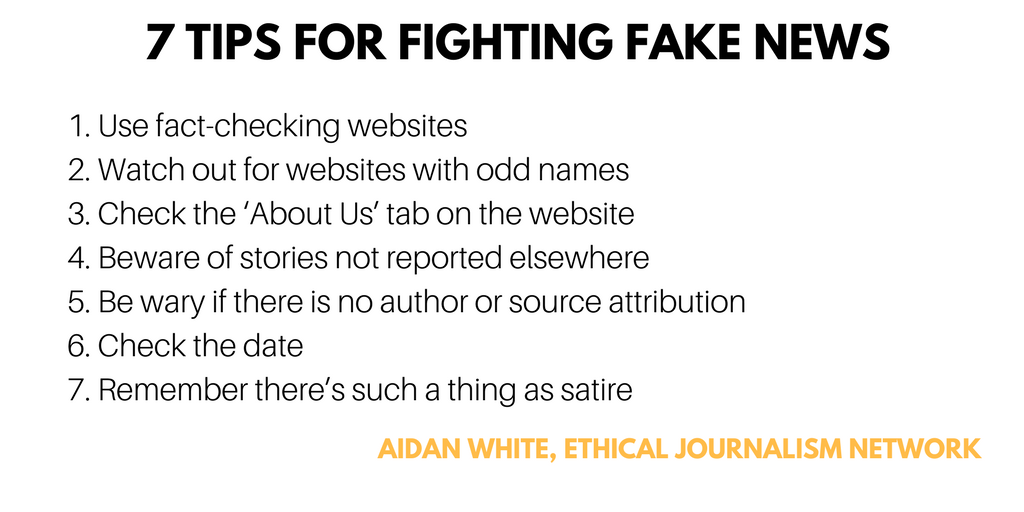
Fake news is a scourge spread with lightning speed thanks to social media. In a guest article for Clear Europe, Ethical Journalism Network Director Aidan White explains how journalists – and others who use social media platforms to share information – can avoid spreading lies, misinformation, and dubious claims. Read Aidan’s 7 tips for fighting fake news.
Gareth Harding
March 28, 2017

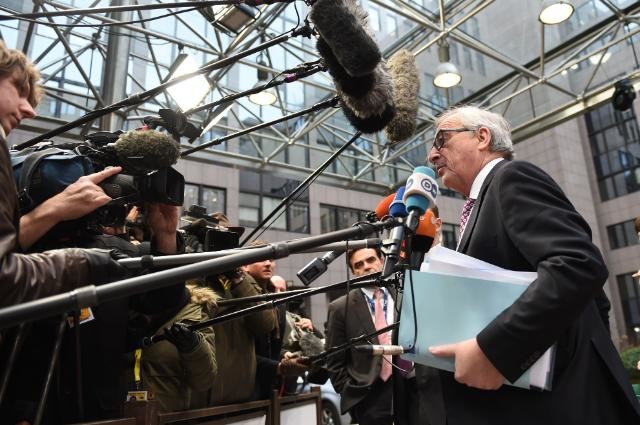
Television journalists need experts that are available at short notice, know what they are talking about and can express themselves clearly and concisely, said Deutsche Welle Brussels correspondent Catherine Martens at a meeting of NGO communicators Monday.
Gareth Harding
February 22, 2017

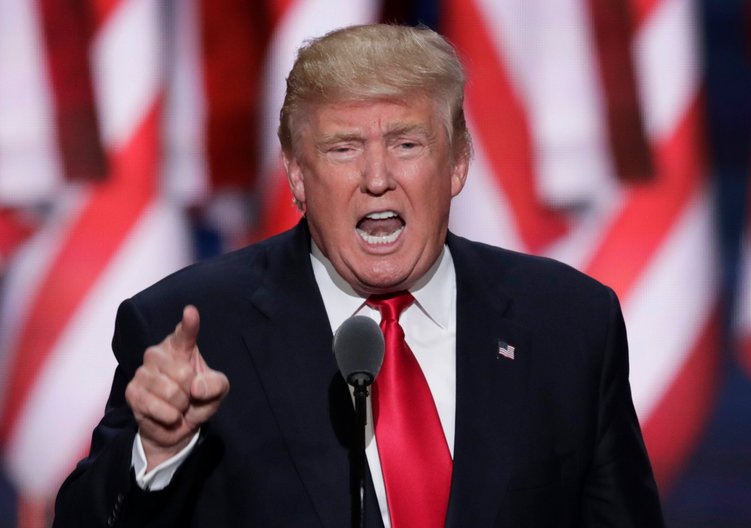
Donald Trump has been in office just over a month but has already broken almost every rule in the press relations playbook used by communication advisers, media trainers and PR gurus for decades.
Instead of telling the truth, Trump has lied with such shameless abandon that a whole new lexicon has had to be invented to describe the parallel universe the president lives in. Post-truth has elevated baloney to the level of the possible, alternative facts are wheeled out to disprove demonstrable evidence and fake news is used as an insult against anyone who dares question the president’s policies.
Gareth Harding
June 22, 2016

Journalists love Twitter, favour personal contacts over press releases, rate NGOs highly and companies poorly, and think that PR people don’t understand their needs. These are some of the key takeaways from a major survey of Brussels-based correspondents written and published by Dober Partners today.
The poll of 80 correspondents, almost 10% of the total number in Brussels, offers a unique insight into what journalists are looking for from the army of communicators that tries to influence them.
Gareth Harding
May 23, 2016

Just over two years ago, we published a detailed breakdown of the Brussels press corps that shattered two myths: that the number of journalists reporting on the EU is shrinking – it has constantly grown – and that Brussels has the largest concentration of international correspondents in the world (that would be London.)
We followed that up with a piece on ‘10 Things You Need to Know About the Brussels Press Corps’ that contained such sparking nuggets of information as: almost half the correspondents based in the EU capital work alone, Chinese news agency Xinhua has 23 accredited correspondents and French reporter Jean Quatremer has the most followers on Twitter (still true.)
Gareth Harding
May 2, 2016

Social media and tech giants like Facebook, Google, Apple and Snapchat are moving forcefully into the journalism business by publishing news on their mobile apps. This could be good news for users, who stand to benefit from faster, richer news. Some publishers could also gain extra revenue from more viewers and readers of their products – especially younger ones – on mobile devices.
But there are obvious risks too. With the tech and social media firms hosting the news, publishers will see less traffic and therefore less advertising on their sites. Smaller news producers lacking the resources to produce content for the new platforms could be shut out of the game. There is also the threat that these Silicon Valley mega-firms will move from distributing news to producing it, a move that could crush even the biggest media players.
Since the advent of the Internet just over 20 years ago the journalism industry has been revolutionised by new technologies such as smartphones and tablets. It has been disrupted by the emergence of major new players such as Huffington Post and Buzzfeed. It has been hit by the slump in advertising revenues and the collapse of newspaper readership. And publics used to being broadcasted to on media companies’ terms have now become “the people formerly known as the audience” in Jay Rosen’s memorable phrase.