

How to tell stories that stick: key takeaways from our storytelling masterclass
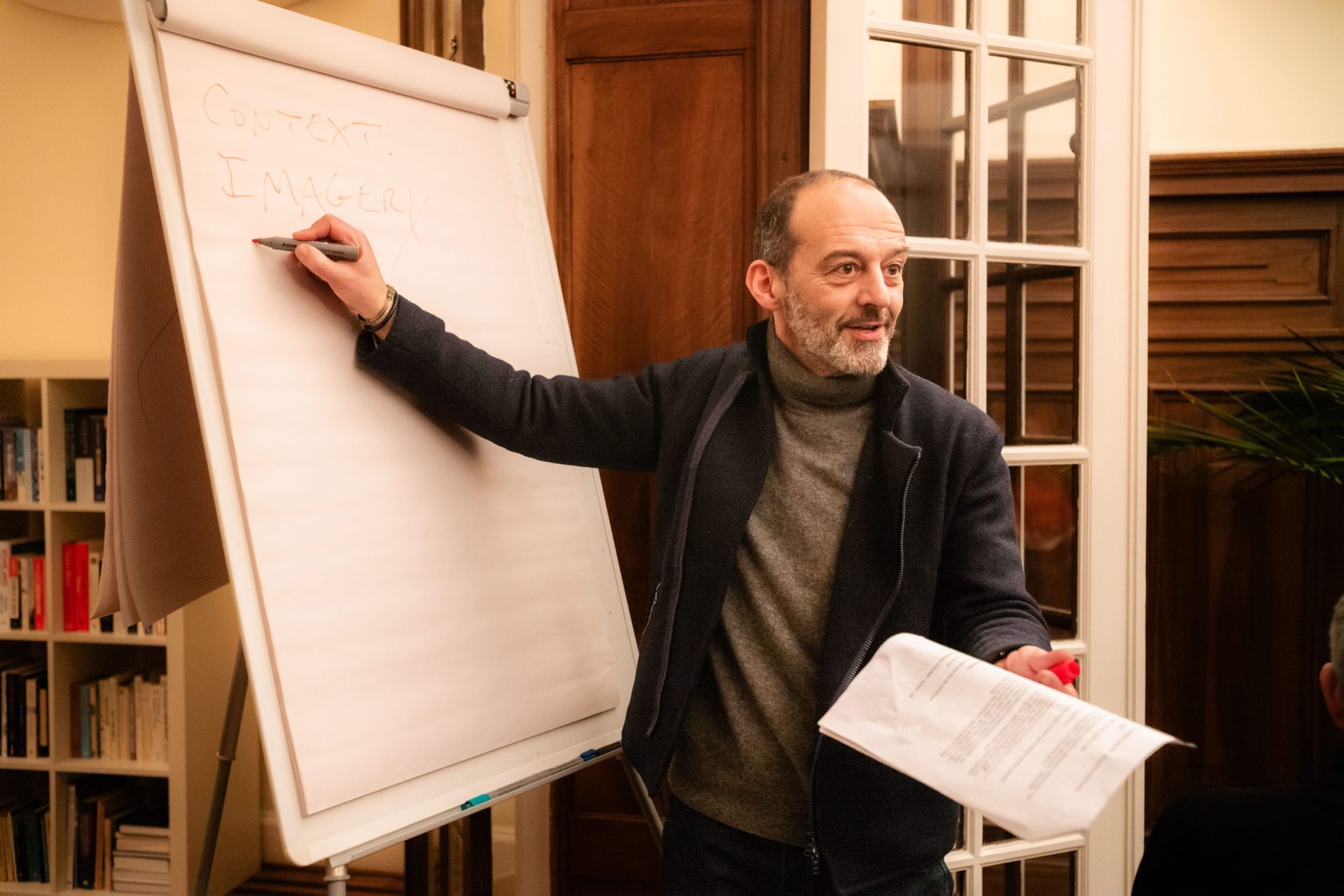
We recently hosted a masterclass on ‘How to Tell Stories That Stick, bringing together communication professionals from across Brussels for an evening focused on practical storytelling techniques.
The session was led by Danny Scheinmann, a bestselling novelist, actor and award-winning screenwriter whose career spans more than three decades. Danny has worked across theatre, film and corporate communication, and has trained organisations such as the WHO, World Bank, Airbus, Microsoft and Unilever. His broad experience shaped a session that was grounded, accessible and highly relevant for anyone looking to strengthen how they communicate.
The masterclass opened with an exploration of why storytelling remains such an essential skill in professional environments. Rather than treating stories as something reserved for creative industries, the session highlighted how they help people understand ideas more clearly, relate to messages on a human level and stay engaged for longer. Whether used in presentations, policy communication, brand narratives or everyday workplace interactions, stories offer a way to make information more concrete and easier to follow.
A central part of the evening focused on the key ingredients that make stories resonate. Drawing on his experience as a writer and performer, Danny outlined six ingredients that give stories structure and impact:
- Context – grounding the audience in time, place or situation
- Imagery – helping people visualise what is being described
- An unanswered question – creating curiosity and forward momentum
- Emotion – making the message relatable
- A timeline – providing structure and direction
- An ending – offering closure or a clear takeaway
These elements can be applied to both personal anecdotes and professional communication. The goal is not to dramatise information, but to make it clearer, more human and easier for audiences to connect with. Participants were encouraged to think about how even simple messages can become more engaging when shaped with intention.
Another theme running through the masterclass was the responsibility that comes with storytelling. Because stories influence how people think and feel, they can be used constructively or misused. Or as Danny said: “Storytelling is like a hammer. You can build or destroy with it.”
The discussion emphasised the importance of being intentional about the stories we choose to tell, the messages we highlight and the impact we want to create. In environments where accuracy and trust matter, storytelling requires awareness and care. Understanding the audience was also a key point throughout the session. Effective communication depends on knowing what the audience values, what they already understand and what they need clarified. Tailoring a story to the audience’s perspective helps ensure that the message lands in a way that feels relevant and meaningful.
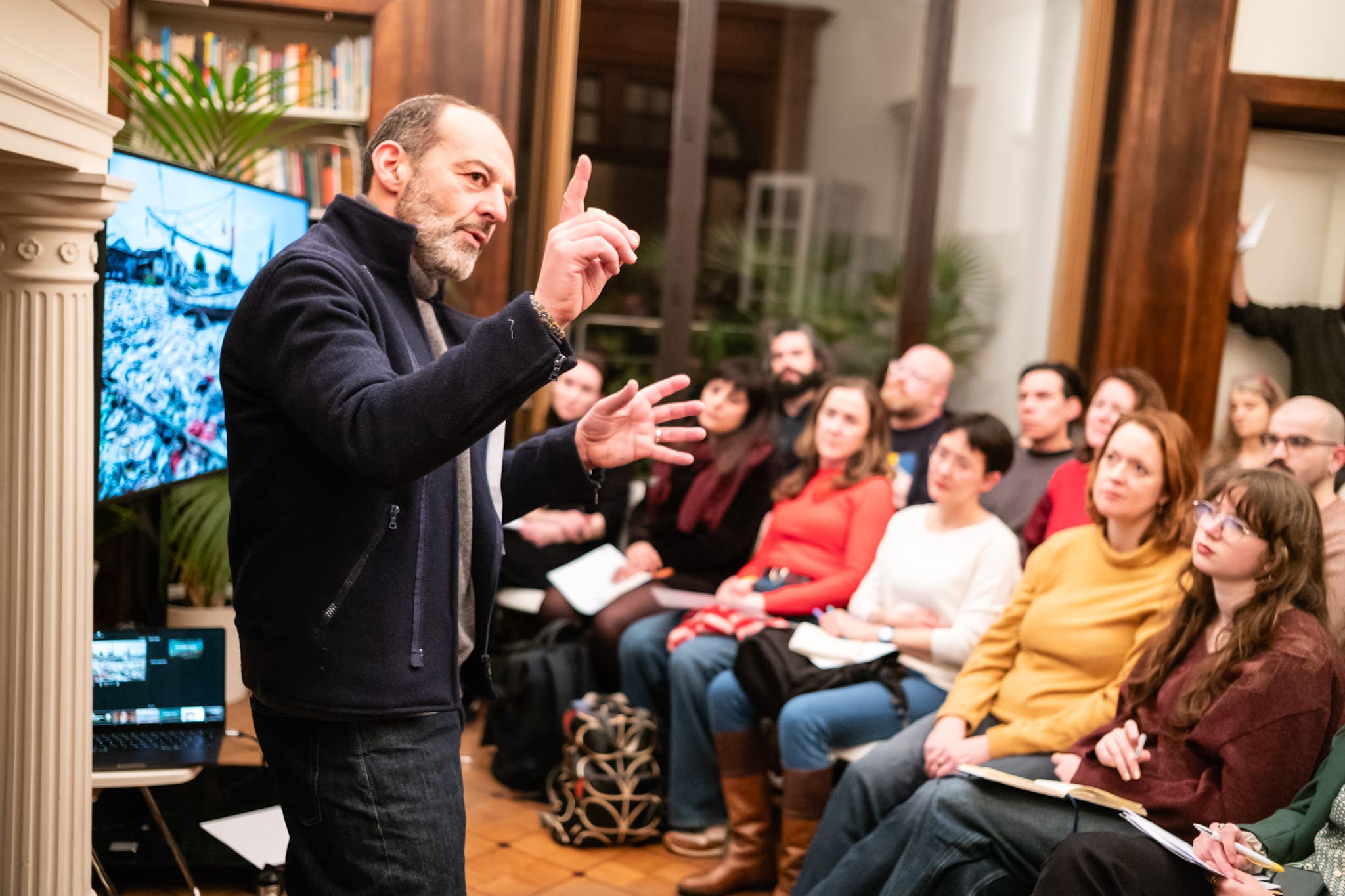
Throughout the evening, Danny shared examples from his work across writing, acting and corporate training, illustrating how structure, emotion and clarity can transform even straightforward messages. The masterclass created space for discussion and reflection on how storytelling can strengthen communication in the Brussels environment, where messages are often technical or complex.
The session reinforced the idea that storytelling is not an optional skill, but an essential part of how organisations explain their work, connect with audiences and make complex ideas easier to understand.